
Discovering the hidden costs of casino gambling
Experience real money gaming with PayID Pokies Australia: tips for a successful session
26 de agosto de 2026Experience secure payments and thrilling gameplay with PayID Pokies Australia
26 de agosto de 2026
The Illusion of Free Play
Many individuals are lured into casinos by the allure of free play promotions and bonuses that promise the thrill of gambling without the financial risk. However, this seemingly generous offer often comes with stringent terms and conditions that can lead to unintended expenses. Players may find themselves caught in a trap where they must wager a certain amount before they can cash out any winnings, often leading to losses that negate the initial benefit of the free play, especially when they explore uk casino sister sites that have their own unique requirements.
Moreover, the experience of free play can often lead to a false sense of security, encouraging players to spend more money than they initially intended. The excitement of hitting small wins or playing with house money can cloud judgment, resulting in a spending spree that could easily spiral out of control. As players chase the next big win, they may overlook how much they are actually losing in the process.
This phenomenon extends beyond just financial implications; it can also affect relationships and mental well-being. The excitement of free play can lead to prolonged gambling sessions, which may result in missed commitments and strained relationships with family and friends. Ultimately, while free play may seem like a cost-free entry into gaming, it carries hidden costs that are not always apparent at first glance.
House Edge and Long-Term Losses
Every casino game is designed with a built-in advantage for the house, known as the house edge, which ensures that over time, the casino will make a profit. This fundamental principle of casino operation means that players are unlikely to walk away unscathed in the long run. Understanding the house edge is crucial for players who may not realize how quickly it can eat away at their bankroll during a gaming session.
The impact of the house edge can be particularly deceptive, as it varies from game to game. For example, table games like blackjack and poker generally have a lower house edge compared to slot machines. However, the excitement and speed of slot play can lead to rapid, cumulative losses before a player even realizes it. Awareness of game odds is essential for gamblers looking to maximize their chances of winning while minimizing potential losses.

Additionally, many players underestimate the importance of setting limits on both time and money spent during their gambling sessions. The longer one plays, the greater the likelihood that they will succumb to the house edge. Establishing a clear budget and time constraints can help mitigate potential losses, but many find themselves caught up in the thrill of the moment, leading to longer gambling durations and steeper financial decline.
Unexpected Expenses Beyond Gambling Chips
When gambling at a casino, players often overlook the ancillary costs that come with the experience. While the chips or cards are the primary focus, expenses such as transportation, meals, and accommodations can quickly add up. Those who travel to a casino may find themselves spending substantial amounts on gas, parking fees, or even lodging if they choose to stay overnight, which can significantly impact the overall gambling budget.
In addition, the cost of food and beverages within the casino can be inflated compared to off-site options. Players may impulsively splurge on expensive meals or drinks, especially during late-night gaming sessions. These costs can greatly undermine any perceived winnings, creating a situation where players are left with little to show for their time and money spent at the casino.
Additionally, the emotional toll of losing significant amounts of money can lead some individuals to seek comfort in more lavish spending while at the casino, further exacerbating their financial situation. This vicious cycle of spending can make it difficult for individuals to recognize the true cost of their casino experiences, creating a gap between perceived and actual expenses.
The Psychological Impact of Gambling
Gambling is not just about financial transactions; it is deeply psychological. The excitement and rush associated with betting can create a euphoric state that compels individuals to continue playing, often at the expense of their better judgment. This addictive element, combined with the thrill of potential wins, makes gambling a complex form of entertainment that can lead to unforeseen psychological costs, including stress, anxiety, and depression.
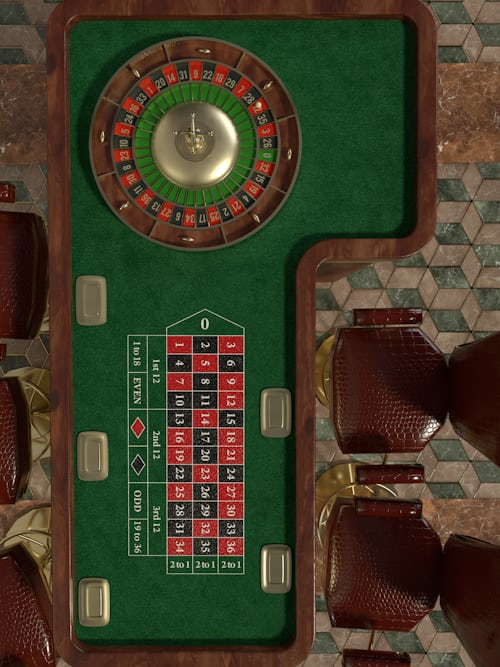
Moreover, the social aspect of gambling can add an additional layer of complexity. Many people gamble in groups, and there can be pressure to keep pace with friends or social acquaintances, leading to increased financial outlays. Some players may also feel compelled to continue gambling to maintain their social status or to fit in with peers, creating an environment where losses are minimized or ignored due to the desire for acceptance.
The consequences of these psychological pressures can be profound. Many individuals develop unhealthy attachments to gambling, leading to compulsive behaviors that can damage personal relationships and financial stability. Recognizing the psychological costs associated with gambling is essential for individuals to take control of their gambling habits and make informed decisions about their gaming activities.
Choosing Responsible Gambling Resources
In light of the numerous hidden costs associated with casino gambling, it is vital for individuals to seek and utilize responsible gambling resources. Many casinos offer programs that promote responsible gaming practices, including educational resources that help players understand the risks involved. These resources can range from informational pamphlets to workshops aimed at promoting healthier gambling habits.
Additionally, there are numerous organizations dedicated to assisting individuals who may be struggling with gambling addiction. These organizations provide support through counseling, hotlines, and community outreach programs aimed at improving awareness of gambling-related issues. By taking advantage of these resources, gamblers can better understand the potential risks and make informed decisions about their gaming experiences.
Investing time in understanding responsible gambling practices not only benefits the individual but also fosters a healthier gaming environment overall. By promoting responsible gambling, casinos can help mitigate the hidden costs associated with gambling, ensuring a more enjoyable experience for all patrons. Ultimately, being proactive can lead to improved personal finances and mental well-being, making the gambling experience more sustainable and enjoyable.
